Climate Resilience Program
Driven by our vision of enhancing the adaptive capacity and resilience of communities, this program targets climate-vulnerable communities in Uganda by providing an enabling environment and sustainable livelihood opportunities for the most affected communities to foster their adaptation and resilience. We work with climate-displaced communities (Internally Displaced Persons, IDPs), rural communities, and communities in informal settlements in urban areas and cities.
Muhokya IDP Camp Program
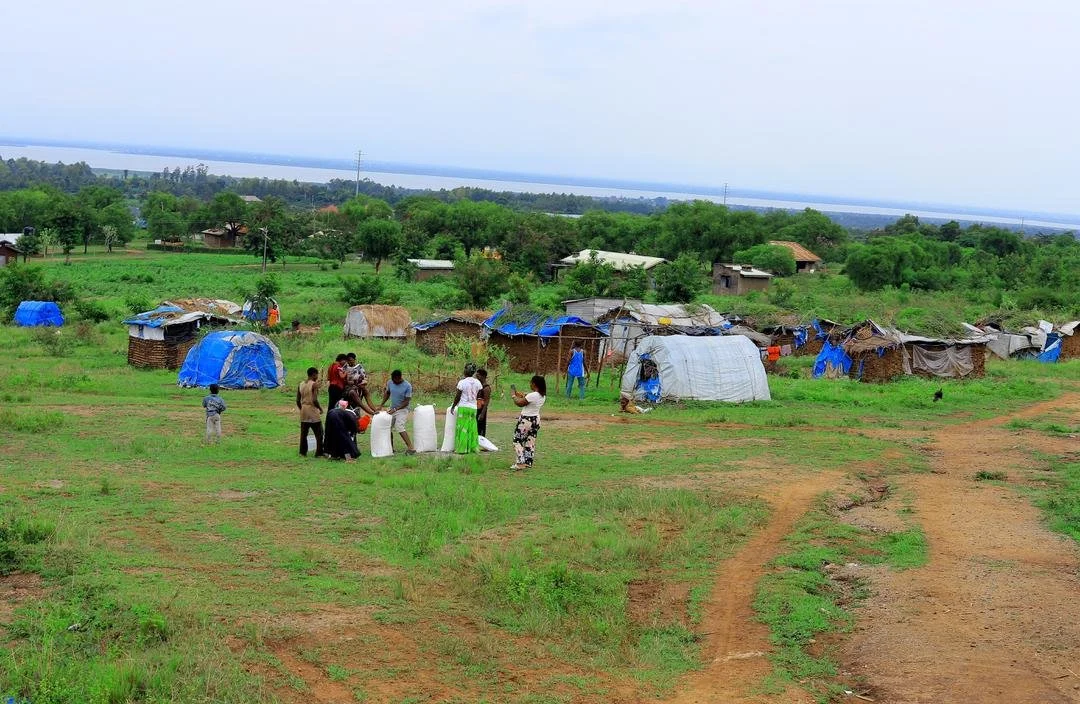
Muhokya IDP Camp Program stands as one of our flagship projects fostering resilience for climate-displaced people living in Muhokya IDP Camp in Kasese District, Western Uganda, through a holistic approach that focuses on sustainable farming for food security and skills development for economic empowerment of climate-displaced people in Muhokya IDP Camp. The camp hosts 200 households with a population of 2000 who were permanently displaced by the recurrent Nyamwamba River flooding in May 2020.
Read below for the project’s two main components.
Muhokya Camp Climate-Smart Farming Initiative
To ensure that climate-displaced people in Muhokya IDP Camp can grow their food to sustain their households and become self-reliant. The project has two pillars;
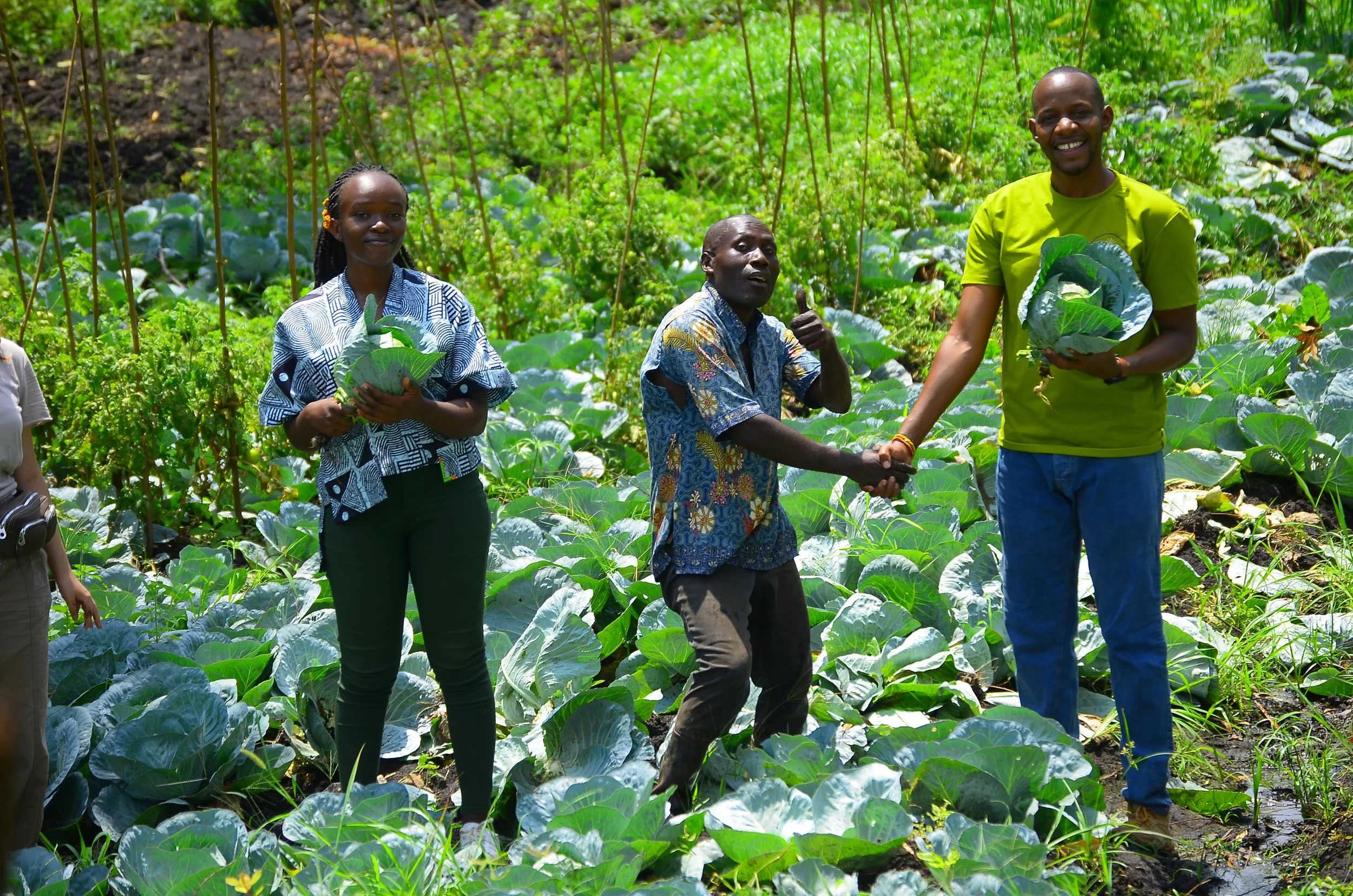
Access to farming land: We hire land in camp host communities, allowing camping members to grow food for their families and surplus for sales to generate income
Capacity Building: Training farmers in sustainable and climate-smart farming practices such as irrigation, organic pest control, nursery bed management, and post-harvest handling, ensuring farmers are resilient to climate change impacts. We have a dedicated agriculture expert attached to this project who provides hands-on training on best practices.
Impact
Food Security: We have supported over 500 people in the camp to achieve food security through this project, reducing reliance on aid for survival and malnutrition among children in the camp
Income generation: Through agribusiness training, our participants are generating income from surplus harvests inceasing the income 10 folds from 50 dollars to 450-500 dollars after every season
Muhokya Camp Skill Development
Climate change-induced displacement has facilitated a harsh financial reality for all camp members who predominantly depended on their land to generate income from farming. To address these financial challenges in the camp, Abayuuti Climate Action, for the past three years, has been implementing a skills development project to increase the economic sustainability and viability of camp residents by training technical skills to camp members that promote craft and benefit the local economy.
-
From August 2023 to 2024, Abayuuti provided periodic sewing training to women and girls in the camp. With the help of our two full-time volunteers stationed there, we trained 50 women and girls in tailoring and sewing. One of our cohort groups was contracted in August 2024 by a neighboring school to produce uniforms, generating income to buy additional equipment.
-
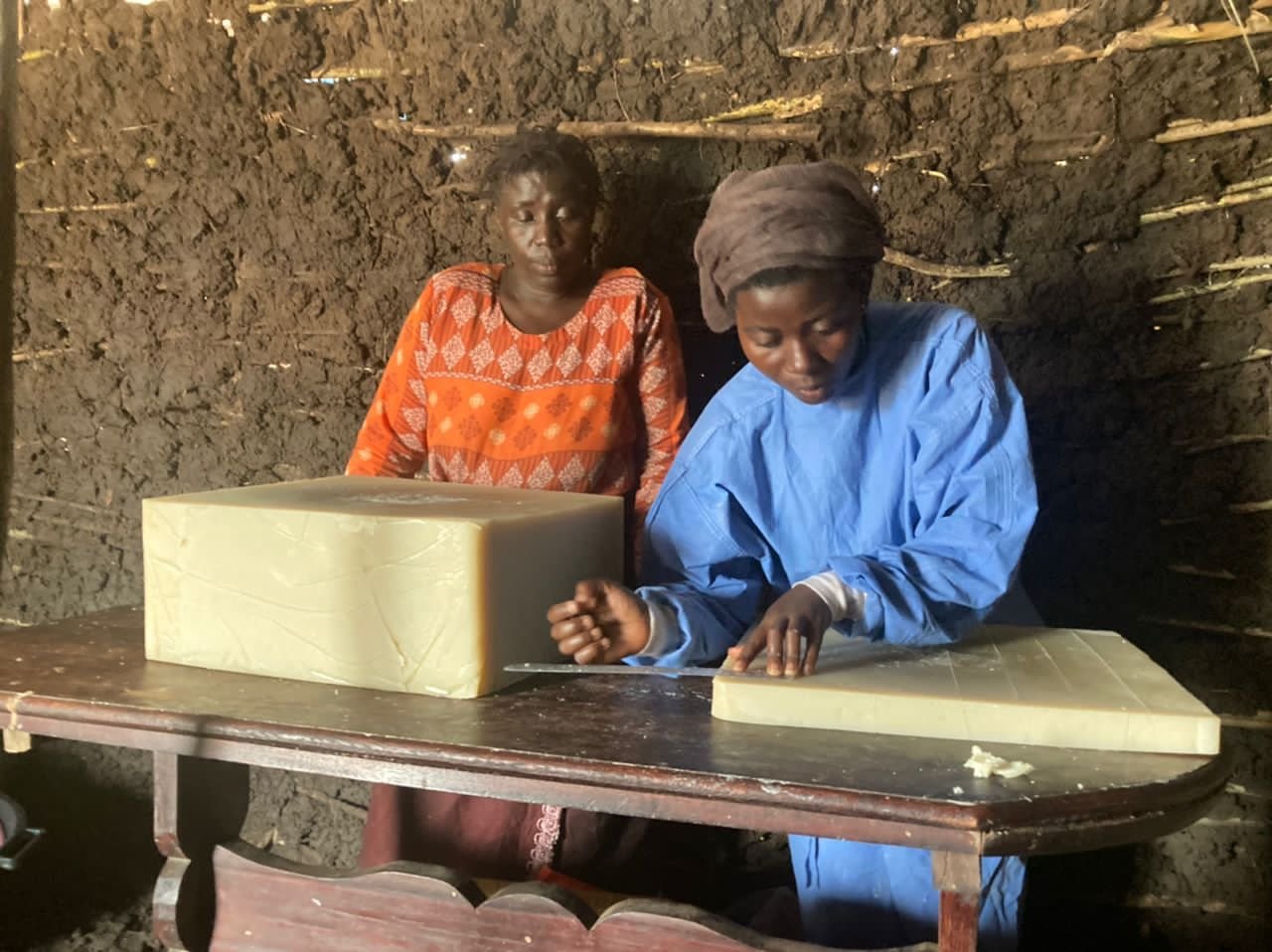
Since October 2023, ACAN has delivered soap-making training, equipment, and raw materials, and a group of youths in the camp started training on locally making both liquid and bar soap. 30 youths were trained in liquid and bar soap-making.